Showing posts with label food. Show all posts

Sunday, February 12, 2012

Top 5 Things You Didn't Know About Sugar


Whether you're a rabid chocoholic or simply prefer a spoonful of sugar in your morning coffee, there's just no resisting the sweet stuff. But do you know why humans appear to be so hooked on sugar?


#1: It's Like Your Mama's Milk
One reason our taste buds like the sweetness of sugar is it tastes a lot like something we had just after birth: mother's milk.

"A mother's milk is sweet, and all the sugars we eat are converted into glucose so the body can digest them, so there's a real connection between sugar and the whole architecture of mammalian life," explained anthropologist Sidney W. Mintz, author of "Sweetness and Power: the Place of Sugar in Modern History."


#2: Evolution Made Us Favor It
In general, sweet plants are safe, says Mintz. So our ancestors were naturally inclined to sample the sweet stuff. "When our ancestors were running through trees, being able to tell when things were sweet was one of the flags of edibility," he said.


#3: It Spurred Colonization
According to Mintz, human fondness for sugar was so strong it prompted expansion of New World plantations, and, unfortunately, furthered the slave trade. After a few years serving as a sort of caviar to the European elite, it became a fast source of calories for factory workers in the newly industrialized world.


#4: It's Sweet: And That's It
Unlike fruit, sugar is the only sweet substance with no other taste. Coffee, tea, and cocoa are incredibly bitter, but add hot water and sugar and you get a cheap source of calories and a lot of human steam. "The stimulant effect was very important to people who worked long hours under bad conditions," noted Mintz, adding that these products became small luxuries and symbols of cozy hospitality in cold, dismal Europe.


#5: It's Not Addictive
Although it may seem easy to get hooked on sugar, it is not addictive, says Mintz. Still, humans (young and old alike) find it tantalizing.
"Pop a spoonful of sugar into a child's mouth and the child goes crazy with pleasure," Mintz said, but affirmed there's no scientific link between sugar and hyperactivity. It's simply "a close association between one taste and the history of our species."

Original post here.

The Truth About Eggs

It is not cholesterol in the egg yolk per se that is harmful. In this more health-conscious era, egg, a very popular standard items in most any breakfast around the world, has been a controversial food item because of its high cholesterol content. Clinical reviews in various medical journals around the world the past five decades have pointed out the danger of dietary cholesterol for those at risk of developing cardiovascular diseases, like heart attack and stroke, metabolic illness such as diabetes, and even cancer. Most of these studies have considered the egg yolk as the worst offender when it comes to cholesterol.

Depending on the size of the egg, it could contain between 125 to 275 mg of cholesterol in its egg yolk. The recommended daily limit for cholesterol intake is 200 mg per day. So, eating two eggs a day will more than exceed the limit by at least 25 percent. And since other foods we eat also contain cholesterol, it is easy to see that adding even one egg a day to our diet will greatly increase our cholesterol intake.

However, it is not cholesterol in the egg yolk per se that is harmful. It is the oxidized cholesterol that is atherogenic (causes hardening of the artery and eventual blockage in the circulation to the heart, brain, abdominal organs, or legs). Oxidation of cholesterol in eggs can be minimized by using less heat in the cooking process. Liquidy soft boiled egg appears to be healthier than hard boiled or fried eggs in any style. When fried, eggs obviously provide higher level of oxidized cholesterol.

Other highly atherogenic food items include saturated fats from milk products, especially butter. Most butter substitutes, margarines, have hydrogenated vegetables oils, which produce unhealthy trans-fatty acids and are very atherogenic like saturated fats. Reading all food labels is a wise practice. Margarines without trans-fatty acids are available in large grocery stores. While vegetable oils contain N6 fatty acids, fish oil (from Salmon, Mackerel, Non-Albacore Tuna, etc. or fish oil capsules) contains the healthy N3 fatty-acids (Omega-3), which are potent anti-oxidants, anti-inflammatory, anti-clot, and effective in lowering triglyceride, bad cholesterol, and blood pressure, and in preventing irregularity of the heart beat. They slow down arteriosclerosis (hardening of the arteries) and thus, the aging process of the cells in our body.

A corroborative review of several studies involving hundreds of thousands of cases was done by Dr. David Spence, stroke prevention expert at The University of Western Ontario, Dr. David Jenkins, nutrition expert of the Risk Factor Modification Centre at St. Michael's Hospital in Toronto, and Dr. Jean Davignon, cholesterol expert of the Clinique de nutrition métabolisme et athérosclérose in Montreal, according to The Medical News Today.

While two of those large studies reported no harm from egg consumption among healthy people, the authors stated that “in both studies, those who developed diabetes while consuming an egg a day doubled their risk of cardiovascular disease compared to those eating less than an egg a week…the studies also showed a significant increase of new onset diabetes with regular egg consumption.”

The UWO researchers concluded, "There is no question that egg white is classed as a valuable source of high-quality protein. Egg yolks, however, are not something that should be eaten indiscriminately by adults without regard to their global cardiovascular risk, genetic predisposition to heart attacks and overall food habits."

Egg white (egg minus its yellow yolk) is a highly nutritious source of protein in itself. The yummy but unhealthy egg yolk is not really an essential food item, and actually deleterious to those who are at risk of cardiovascular, metabolic, or cancer disorders. The big question then is: Who, among us, are at high risk for those illnesses? If only science could identify individuals who are at risk of developing high blood pressure, diabetes, heart attack, stroke, cancer, and a host of other diseases when they eat fatty foods, smoke cigarettes, drink alcoholic beverage in excess, and not exercise, then we would know who, among us, may safely consume high cholesterol foods, be sedentary, smoke like a chimney, and/or drink alcohol to our heart’s content the rest of our life, and still be from serious diseases.

Unfortunately, we still do not have such a medical test to address this issue. Therefore, it behooves all of us to be wise, prudent, careful, and indulge in moderation, since we’ve got only one body, one life, no spare, no back-up. Health is indeed priceless, and life simply too wonderful to waste.

Eat Fish Regularly for a Healthier Brain


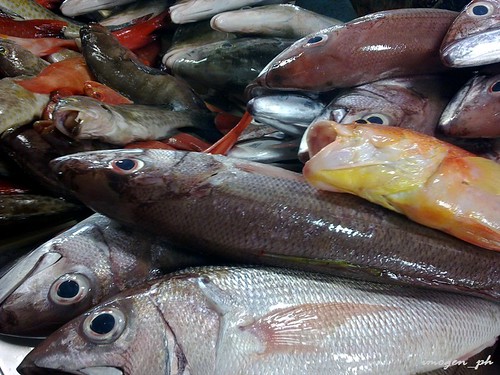
Research shows that getting at least some of your protein requirements from fish is good for the brain. If you want to preserve your brain's health, then you might want to add fish to your weekly menu. According to a new study presented at the annual meeting of the Radiological Society of North America (RSNA), people who eat a good portion of baked or broiled fish regularly reduce the risk of having mild cognitive impairment (MCI) and of getting Alzheimer's disease.

With many people around the world who may be suffering from these dreaded brain diseases, this study is definitely a significant step forward. Reportedly the first to directly connect eating baked or broiled fish and the prevention of MCI and Alzheimer's, the study showed that those who have fish at least once a week have better preservation of gray matter volume in brain areas that are most vulnerable to Alzheimer's disease. Gray matter volume is very important to brain health. High levels of gray matter indicate that all is well. Low levels, however, are proof that brain cells are shrinking.

For the study, the researchers gathered 260 cognitively sound individuals from the Cardiovascular Health Study. Then, using the National Cancer Institute Food Frequency Questionnaire, they were asked about their fish consumption habits. Results revealed that 163 patients ate fish on a weekly basis. Each of these patients were then made to undergo 3-D volumetric MRI of the brain and through a technique that measures gray matter, the researchers then checked to see how fish consumption affects brain structure at baseline as well as 10 years later. Social, physiological and even genetic factors aside, those who consumed baked and broiled fish weekly were found to be more likely to preserve gray matter in the brain.

"Consuming baked or broiled fish promotes stronger neurons in the brain's gray matter by making them larger and healthier," explained Cyrus Raji, MD, PhD, from the University of Pittsburgh Medical Center and the University of Pittsburgh School of Medicine. "This simple lifestyle choice increases the brain's resistance to Alzheimer's disease and lowers risk for the disorder."

But before you leave to edit your weekly menu, keep in mind that fried fish is excluded from the formula. According to the study, fried fish does not do anything to help preserve brain health. If you really want to prevent MCI and Alzheimer's disease, stick to baking or broiling recipes instead.

Could chocolate help mend a broken heart?

A major Swiss chocolate maker is hoping to give cardiovascular patients a good excuse to reach for a chocolate bar and is asking Europe’s highest food safety authority to approve a health claimlinking cocoa flavonoids with improved blood flow.

In an interview with online trade publication NutraIngredients.com last week, a company spokesperson for premium chocolate supplier Barry Callebaut said the company is “confident” that theEuropean Food Safety Authority will approve the claim based on the results of five clinical studies conducted and finalized last year.

Flavonoids are plant-based antioxidants found in brightly colored foods like blueberries, strawberries, cranberries, red beans, nuts,red wine and tea. They've been associated with a decreased risk of age-related and chronic diseases.

Healthy blood flow has become an emerging trend in functional foods recently, with a spate of food manufacturers developing products that claim to help clean the arteries and reduce LDL or "bad" cholesterol levels. 

One of the pioneering artery cleaning products on the market, Fruitflow, is a tomato-based extract that was the first to win EU approval for its nutritional health claims under a section reserved for proprietary and newly emerging science.

Meanwhile, other chocolate makers have also clued into the strategy of delivering powerful health benefits via the sweet confectionery. 

At the Winter Fancy Food Show in San Francisco this weekend, US-based company ResVez will showcase products it claims can boost the immune system and serve as anti-aging chocolate bars.

The TravelTime granola bar, for instance, is made with a beta-glucan extract derived from baker's yeast that "trains" the body to strengthen the immune system, while the chocolate WineTime Bar contains enough resveratrol to equal 50 glasses of red wine. Resveratrol is a powerful antioxidant found in the skin of red grapes and is known to help fight free radical damage.

Source: Yahoo News

Saturday, February 11, 2012

The Truth Behind Food Supplements

"You'll have a fairer skin."
"Lose weight in 7 days!"
"Increase your height!"
"Have a good memory!"

These are just some statements that food supplements promise to the consumers...
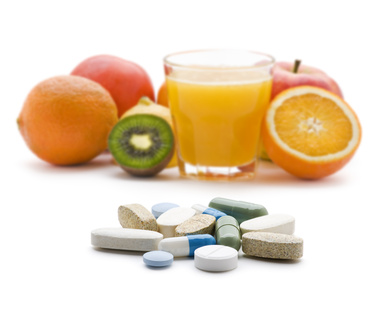
Food supplements nowadays have been regarded as naturally-derived medicines that can cure all diseases in a snap. Just take a look at how these advertisements present their products. Some are very deceiving and too good to be true. Some even claim that their products are "safe" and possess no side effects. Pharmaceutical companies are gaining a lot as more and more people patronize their "safe and natural" products.

Sadly, people have a wrong notion of such products. The claim that food/nutritional supplements can cure certain diseases is misleading. Food supplement, as its name implies, is an addition to our diet to make up for a deficiency. It is no secret that these products are of nutritional importance. Most of them contain vitamins, minerals, fiber, fatty acids, or amino acids that may be missing or may not be consumed in sufficient quantities. 

However, it should be clear for people that these are not medicines and should not be regarded as such. Although for some, taking food supplements might have promising effects, it is not enough to rely on them in treating certain kinds of diseases. Actually, most of the food supplements are from various research on herbal plants. Some of them might have remarkable results when tested on animals. However, human clinical trials have not been well-established that's why they are marketed as dietary supplement. Unless approved by the Food and Drug Administration (FDA), food supplements cannot be labeled and sold as medicines.

It is mandatory for these products to put "No approved therapeutic claims" in their labels. But unfortunately, because of deceiving advertisements, this statement has always been set aside.

Please don't get me wrong, I have nothing against food supplements. In fact, I am doing a pharmacological research on a particular plant. I still believe in their ability to help prevent certain diseases. But my concern is the people who go gaga over them. Choosing them over "expensive" medicines to treat a certain disease isn't cost-effective. It is still best to seek medical advice to provide you with an appropriate treatment plan.

Re-educate Your Tummy and Soul: A guide to becoming a vegetarian

Before making any extreme changes to your diet, FHM Unlimited suggests that you seek medical advice first.
This is so you can be individually assessed for any possible nutritional deficiency you may already have - or in case you have any other health problems that require a specific diet.


It is not always true that vegetarians are thin and meat eaters are fat.
The most common reason why people go vegetarian is because they want to loose weight. But I know a lot of vegetarians who’s fat. Yes going vegetarian can help you loose weight but you should also do it with exercise.
The good thing about being vegetarian is you develop control and discipline. It is not easy changing diet specially for us Filipinos who are very conditioned to meat. Going vegetarian is easy. There plenty of market and talipapa here.
Give up eating Beef :
This is not hard , because you can still eat pork, chicken and fish. So do this for a month or two. Just make sure that you don’t eat beef anymore straight for a month.
Give up eating Pork :
When you can now give up beef, it’s time to give up pork. You can still eat chicken and fish. It is easier to give up, knowing that pork is the primary cause of diseases. And we all know that it makes us fat since it is very high in bad cholesterol. Do this for a month or two. Just make sure that you don’t eat pork anymore straight for a month.
Give up eating chicken:
What’s wrong with eating chickens ? Well there’s a lot, but anyway you will soon have to give up eating chicken. Maybe this will be hard for you so do this for two months or more , but make sure to give up eating chicken soon.


Do give up eating beef, pork and chicken in a year or two and it will be easier for you to go vegetarian or vegan. Don’t make it hard for you, there will always be an easier way that will help you achieve your goal. Going vegetarian does not end on giving up the food that you are conditioned to eat, it involves mindset, positive thinking, proper hygiene and a healthier lifestyle.

Cheers!